Course Description
Optimal maternal nutrition contributes to reduced rates of adverse pregnancy and health outcomes for the pregnant individual and their baby, yet little research has examined prenatal nutrition counseling in real time as it is occurring. This study used a human factors approach to examine clinician-patient pregnancy nutrition conversations during 20 initial prenatal clinic visits. Results illustrate significant gaps in nutrition counseling resulting in few pragmatic, individualized, patient-centered nutrition goals for patients.
Learning Objectives
At the conclusion of this session, participants will be able to:
- Understand the association between maternal dietary patterns and pregnancy and health outcomes.
- Identify gaps in current pregnancy nutrition counseling during routine prenatal clinic visits.
- Recognize methods that clinicians can use to engage in more collaborative, patient-centered nutrition counseling before, during, and after pregnancy
Speakers
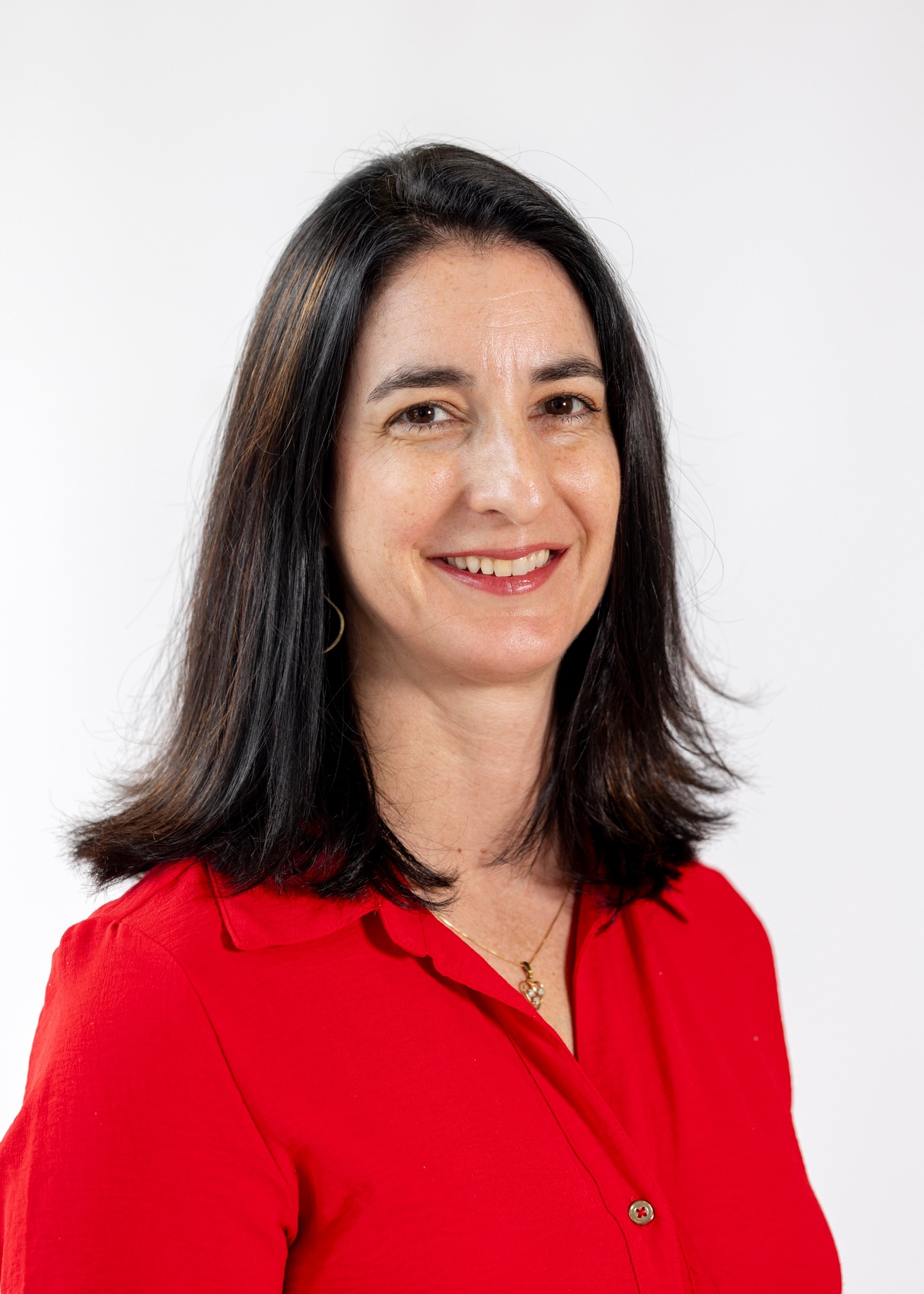
Katherine Erbe, PhD, MS, CNM, FACNM
Speaker Bios
Dr. Katherine Erbe has been working in obstetrics and gynecology for 24 years. She began her career working as a labor, delivery, and postpartum nurse in Milwaukee, Wisconsin. She received Bachelors degree in nursing from the University of Wisconsin-Milwaukee and Masters degree in midwifery from New York University. Her desire to teach and conduct research led her to pursue her PhD in Nursing at the University of Illinois Chicago. From 2023 to 2025 she was a postdoctoral fellow in nursing research at the Yvonne L. Munn Center for Nursing Research at Massachusetts General Hospital. In fall she will start as a tenure track Assistant Professor in the Manning College of Nursing and Health Sciences at UMass Boston Throughout her nurse-midwifery career Dr. Erbe has worked with communities both domestically and internationally including 6 months in South Sudan working with Doctors Without Borders. Her program of research focuses on developing methods to help obstetric providers have more individualized pregnancy nutrition conversations during prenatal visits with patients from diverse sociodemographic backgrounds. She has received funding from the Daisy Foundation's Health Equity Grant for Addressing Social Determinants of Health and has disseminated her work in the Journal of Midwifery and Women's Health, the Journal of Gynecologic, Obstetric, and Neonatal Nursing, the Eastern Nursing Research Society's Annual Scientific Meeting, the American Women's Health, Obstetric, and Neonatal Nursing Annual Conference, and the Sigma Theta Tau International Congress.
Course expiration: May 11, 2028