Date Published: Delivery Method: Duration: Credit Hours:
Description
Effective infection prevention and control in skilled nursing
facilities requires strong leadership, consistent oversight, and
data-driven auditing. This session explores how facility and corporate
nursing leaders can build a robust IPC program that means regulatory
requirements while promoting a culture of safety and accountability.
Participants will learn strategies for infection surveillance, program
evaluation, competency auditing, and team engagement to ensure
compliance and improve resident outcomes. Emphasis will be placed on
leadership roles, communication practices, and quality improvement
integration within the facility’s QAPI program.
Instructor Bio
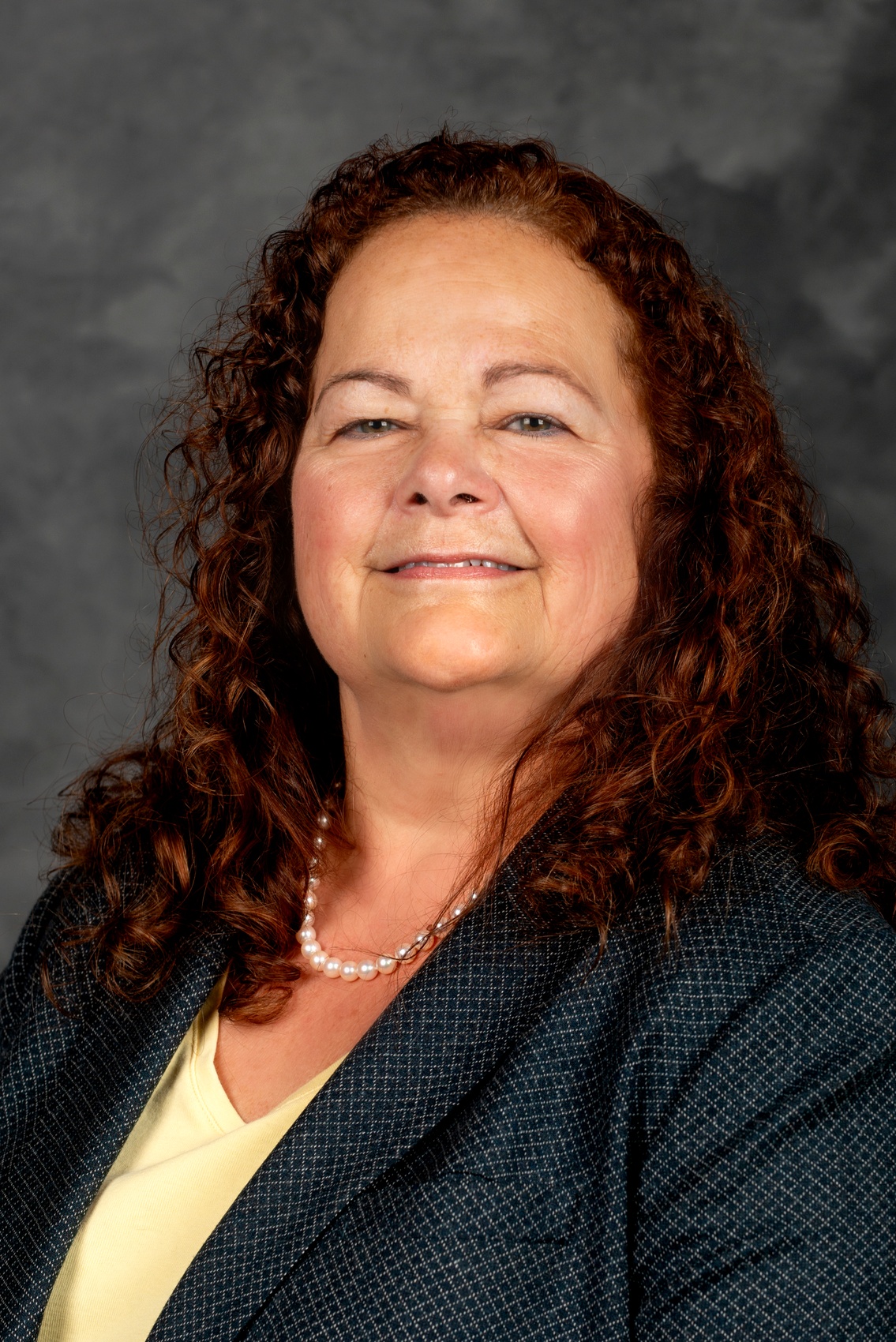
Liz Wheeler, BSN, RN, CHPN, QCP, IPCO, CDP
Liz Wheeler, BSN, RN, CHPN, CDP, IPCO, is an experienced leader in skilled nursing and assisted living, as well as long-term care pharmacy consulting. Elizabeth has worked in various areas of care including skilled nursing, subacuterehabilitation, assisted living, memory care, palliative care, and pharmacy. Her main focuses are regulatory compliance, infection prevention and control, and quality assurance. Over her career she has obtained and maintained CMS 5-star ratings, excellent survey results, and assisted many nursing leaders with improving processes and outcomes. Her work includes assisting nursing facilities in managing day-to-day operations in regulatory compliance, development of plans of correction, guidance in facility preparation for resurvey, education and training, survey recovery and clinical documentation requirements.
Course Outline
10 min: Leadership roles and oversight responsibilities
20 min: Auditing best practices and data analysis
15 min: QAPI integration
15 min: Infection preventionist and staff engagement strategies
Learning Objectives
1. Explain the leadership responsibilities for infection prevention oversight in skilled nursing facilities
2. Describe effective methods of auditing infection prevention
practices, including hand hygiene, transmission-based precautions,
environmental cleaning, antibiotic stewardship, and immunizations
3.
Analyze infection surveillance data to identify trends, monitor
performance, and guide targeted interventions and integration into QAPI
4.
Develop strategies to engage and educate staff, fostering shared
ownership and accountability for infection prevention across all
departments
Approvals
One (1.0) contact hour; Nursing Home Administrators - NAB approved through Proactive LTC Consulting. Ohio Nurses may use this approval toward their licensure renewal.
Course Interaction This is a live interactive webinar
Accommodation Information: Our webinars are available to anyone who is able to access the internet. For those who are vision impaired graphs and videos are described verbally. We also read all of the questions and comments that are asked of our speakers. All questions and comments are made via the chat function. For those that require it, please contact us at [email protected] for more information on and/or to request closed-captioning.
Have you read our FAQs? Before attending this event, be sure to visit our support page found here.
Process for Receiving Continuing Education Credit:
Register
Attend the Training
Complete the Evaluation Survey
Receive Continuing Education Certificate
PURCHASE OF THIS COURSE IS NON-REFUNDABLE/NON-TRANSFERABLE. ALL SALES ARE FINAL. REFUNDS WILL NOT BE ISSUED FOR ANY REASON OTHER THAN THE EVENT’S CANCELLATION BY OHCA.
Need help?
Path has some great support built right in. Just click on the question mark in the blue circle located in the bottom right of your screen. There are lots of great resources there, but if you can't find what you're looking for, reach out to us at [email protected].
Description
Effective infection prevention and control in skilled nursing
facilities requires strong leadership, consistent oversight, and
data-driven auditing. This session explores how facility and corporate
nursing leaders can build a robust IPC program that means regulatory
requirements while promoting a culture of safety and accountability.
Participants will learn strategies for infection surveillance, program
evaluation, competency auditing, and team engagement to ensure
compliance and improve resident outcomes. Emphasis will be placed on
leadership roles, communication practices, and quality improvement
integration within the facility’s QAPI program.
Instructor Bio
Liz Wheeler, BSN, RN, CHPN, QCP, IPCO, CDP
Liz Wheeler, BSN, RN, CHPN, CDP, IPCO, is an experienced leader in skilled nursing and assisted living, as well as long-term care pharmacy consulting. Elizabeth has worked in various areas of care including skilled nursing, subacute rehabilitation, assisted living, memory care, palliative care, and pharmacy. Her main focuses are regulatory compliance, infection prevention and control, and quality assurance. Over her career she has obtained and maintained CMS 5-star ratings, excellent survey results, and assisted many nursing leaders with improving processes and outcomes. Her work includes assisting nursing facilities in managing day-to-day operations in regulatory compliance, development of plans of correction, guidance in facility preparation for resurvey, education and training, survey recovery and clinical documentation requirements.
Course Outline
10 min: Leadership roles and oversight responsibilities
20 min: Auditing best practices and data analysis
15 min: QAPI integration
15 min: Infection preventionist and staff engagement strategies
Learning Objectives
1. Explain the leadership responsibilities for infection prevention oversight in skilled nursing facilities
2. Describe effective methods of auditing infection prevention
practices, including hand hygiene, transmission-based precautions,
environmental cleaning, antibiotic stewardship, and immunizations
3.
Analyze infection surveillance data to identify trends, monitor
performance, and guide targeted interventions and integration into QAPI
4.
Develop strategies to engage and educate staff, fostering shared
ownership and accountability for infection prevention across all
departments
Approvals
One (1.0) contact hour; Nursing Home Administrators - NAB approved through Proactive LTC Consulting.
Ohio Nurses may use this approval toward their licensure renewal.
Course Interaction This is a live interactive webinar
Accommodation Information: Our webinars are available to anyone who is able to access the internet. For those who are vision impaired graphs and videos are described verbally. We also read all of the questions and comments that are asked of our speakers. All questions and comments are made via the chat function. For those that require it, please contact us at [email protected] for more information on and/or to request closed-captioning.
Have you read our FAQs? Before attending this event, be sure to visit our support page found here.
Process for Receiving Continuing Education Credit:
Register
Attend the Training
Complete the Evaluation Survey
Receive Continuing Education Certificate
PURCHASE OF THIS COURSE IS NON-REFUNDABLE/NON-TRANSFERABLE. ALL SALES ARE FINAL. REFUNDS WILL NOT BE ISSUED FOR ANY REASON OTHER THAN THE EVENT’S CANCELLATION BY OHCA.
Need help?
Path has some great support built right in. Just click on the question mark in the blue circle located in the bottom right of your screen. There are lots of great resources there, but if you can't find what you're looking for, reach out to us at [email protected].
Description
Understanding Medicare coverage criteria is essential for the clinical, financial, and regulatory success of skilled nursing facilities. This Medicare Boot Camp
webinar provides a clear, structured walkthrough of Medicare Part A coverage requirements, from admission through continued stay.
Designed for members of the interdisciplinary team, this session breaks down complex regulations into practical guidance. Participants will explore technical eligibility rules, including qualifying hospital stays, benefit periods, and physician certification requirements, as well as the skilled level of care standards that determine daily coverage.
Through real-world examples and regulatory guidance, the webinar will clarify direct vs. indirect skilled services, observation and assessment, teaching and training activities, and management and evaluation of care plans. Emphasis is placed on documentation expectations and common “questionable situations” that often lead to denials.
Whether you support admissions, clinical care, billing, or compliance, this session equips attendees with the foundational knowledge needed to support appropriate Medicare coverage and reduce financial risk.
Instructor Bio
Robin L. Hillier, CPA, LNHA, RAC-CTA, RAC-MT
Robin L. Hillier is a healthcare executive dedicated to post-acute and long-term care. She is a Certified Public Accountant, a Licensed Nursing Home Administrator, and is Resident Assessment Coordinator Certified Advanced and a Master Teacher through the American Association of Post-Acute Care Nursing (AAPACN). Throughout her career she has been involved in all aspects of facility operations, including ownership roles. She is currently the President of RLH Consulting, which provides operational and reimbursement consulting to providers of skilled nursing, assisted living and intellectual or developmental disabilities. She is a nationally recognized expert on payment system design, quality measurement and the Resident Assessment Instrument, and was actively involved in the design of the Patient Driven Payment Model implemented October 1, 2019.
Ms. Hillier is Past Chair of both the Ohio Health Care Association (OHCA) and its’ Educational Foundation (EFOHCA), and has served on the OHCA Board of Directors since 1998. She served on the Board of Governors and Executive Committee of the American Health Care Association (AHCA) from 2010 through 2017, and continues to serve on the Reimbursement Cabinet. She serves on the AAPACN Board of Director and is vice chair of its’ Expert Advisory Panel. Ms. Hillier was a recipient of the 2018 AANAC Contributor of the Year award, the 2015 AHCA Joe Warner Patient Advocacy award, and the 2004 OHCA President’s award. She is a graduate of both the AHCA Future Leader and Political Ambassador programs, and represented AHCA at the 2014 White House Summit on Working Families.
Suggested Audience
Skilled Nursing Facility Administrators
Directors of Nursing and Clinical Leaders
MDS Coordinators
Therapy Managers
Social Services and Admissions Staff
Billing, Compliance, and Revenue Cycle Teams
Learning Objectives
At the conclusion of this 90-minute session, participants will be able to:
1. Identify Medicare Part A technical eligibility requirements, including enrollment, qualifying hospital stay, benefit periods, and timely transfer rules.
2. Explain physician certification and recertification requirements and recognize common compliance pitfalls that place coverage at risk.
3. Differentiate between skilled and non-skilled services, including direct and indirect skilled nursing and rehabilitation services.
4. Apply the “skilled level of care” and “practical matter” criteria to real-world admission and continued stay scenarios.
Approvals
1.5 CEs for Ohio Nursing Home Administrators - BELTSS.
1.5 CEs from the Ohio Accountancy Board of Ohio.
Ohio Nurses may use this approval toward their licensure renewal.
Process for Receiving Continuing Education Credit:
Register
Attend the Training
Complete the Evaluation Survey
Receive Continuing Education Certificate
PURCHASE OF THIS COURSE IS NON-REFUNDABLE/NON-TRANSFERABLE. ALL SALES ARE FINAL. REFUNDS WILL NOT BE ISSUED FOR ANY REASON OTHER THAN THE EVENT’S CANCELLATION BY OHCA.
Need help?
Path has some great support built right in. Just click on the question mark in the blue circle located in the bottom right of your screen. There are lots of great resources there, but if you can't find what you're looking for, reach out to us at [email protected].