About the Event
Audience: Skilled Nursing
Topic Area: Regulatory & Compliance
Live Webinar
September 29, 2026
11:00 am – 12:30 pm ET
Continuing Education:
1.5 CE credit available for Administrators, Nurses
About the Event
Audience: Skilled Nursing
Topic Area: Regulatory & Compliance
Live Webinar
September 29, 2026
11:00 am – 12:30 pm ET
Continuing Education:
1.5 CE credit available for Administrators, Nurses
About the Event
Date Published: June 3, 2024
Delivery Method: On-demand webinar
Duration: 90 minutes
Credit Hours: 1.5 CE credits
Description
Emergency preparedness.
Instructor Bio
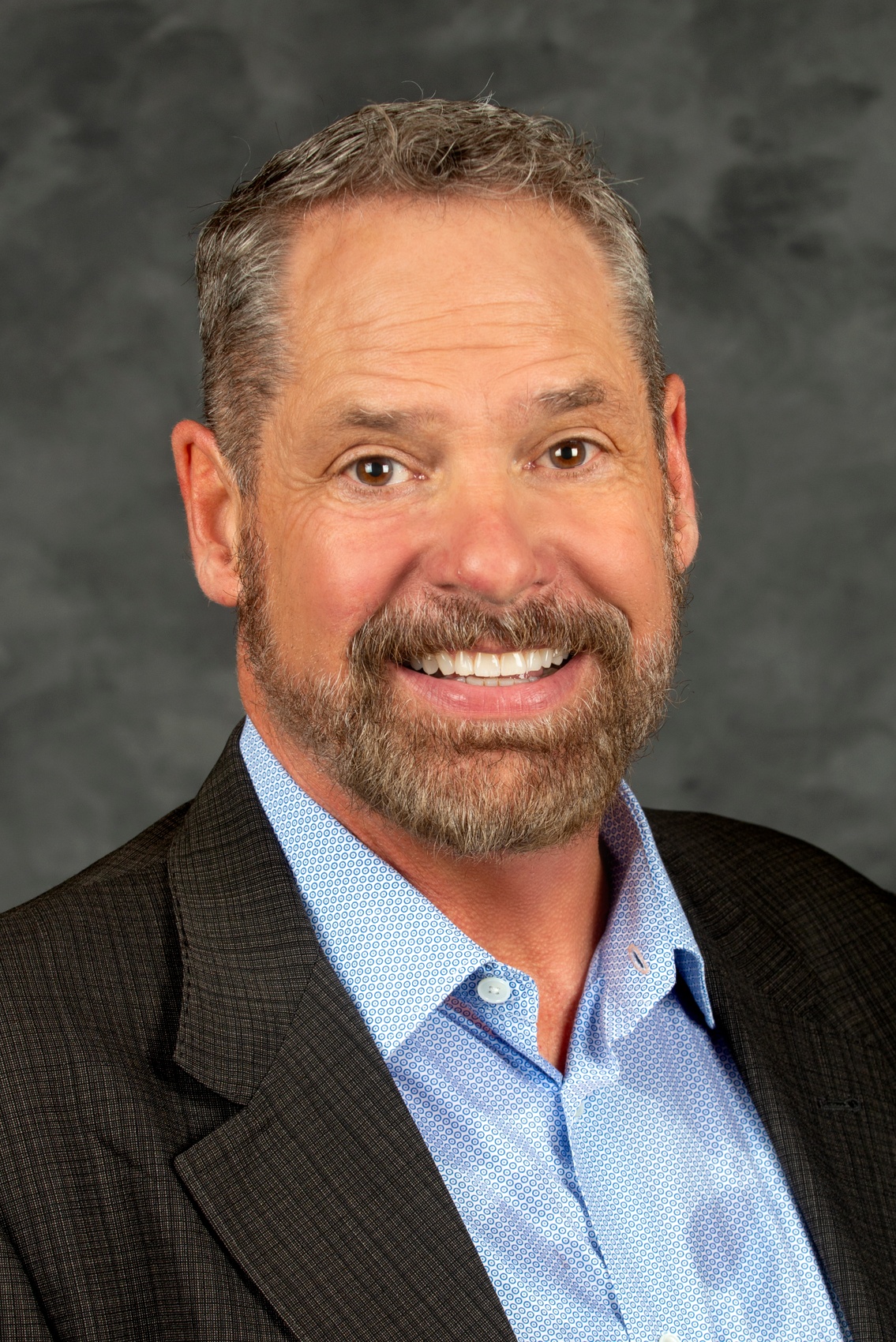
Kenneth Daily
President, Elder Care Systems Group
Kenneth Daily is President of Elder Care Systems Group, and President of a national long term care consulting firm specializing in quality improvement, regulatory compliance, and education. A licensed NH administrator, Mr. Daily has been involved with working with facilities developing and implementing emergency preparedness plans for more than decade. He is a member of the Ohio Health Care Association Board of Trustees and chairman of the OHCA's Life Safety and Disaster Management Committee as well as a former member of the AHCA Disaster Committee and current member of AHCA's the Life Safety Committee and the NFPA's Healthcare Section. Mr. Daily has lectured nationwide on ways to improve the service and integrity of long term care. He is an author of numerous articles and professional guides.
Approvals
1.5 CE credits
Ohio Board of Executives of Long-Term Services & Supports
Ohio Board of Nursing
Course Interaction
This is an on-demand webinar.
System Requirements
https://pathlms.elevio.help/en/articles/295
Accommodation Information: Our webinars are available to anyone who is able to access the internet. For those who are vision impaired graphs and videos are described verbally. We also read all of the questions and comments that are asked of our speakers. All questions and comments are made via the chat function. For those that require it, please contact us at [email protected] for more information on and/or to request closed-captioning.
Have you read our FAQs? Before attending this event, be sure to visit our support page found here.
Process for Receiving Continuing Education Credit:
- Register
- Attend the Training
- Complete the Evaluation Survey
- Receive Continuing Education Certificate
PURCHASE OF THIS COURSE IS NON-REFUNDABLE/NON-TRANSFERABLE. ALL SALES ARE FINAL. REFUNDS WILL NOT BE ISSUED FOR ANY REASON OTHER THAN THE EVENT’S CANCELLATION BY OHCA.
Need help?
Path has some great support built right in. Just click on the question mark in the blue circle located in the bottom right of your screen. There are lots of great resources there, but if you can't find what you're looking for, reach out to us at [email protected].
Description
Ventilator care continues to be one of the most closely scrutinized topics in Ohio, with increasing regulatory focus on emergency power systems that support residents receiving life-sustaining care. One of the most frequently cited Life Safety Code deficiencies is CMS K915 – Essential Electrical System (EES) Branches. During this seminar, life safety expert Kenn Daily will provide a comprehensive review of the CMS requirements and explain how NFPA 99, NFPA 70 (National Electrical Code), and Article 517 work together to establish compliance for healthcare facilities.
Participants will gain a practical understanding of the three essential electrical branches—Life Safety, Critical, and Equipment—and the role each plays in maintaining uninterrupted power for resident safety during an electrical outage. The session will also address common survey findings, including requirements for proper branch separation, identification and labeling, emergency power transfer timeframes, and compliance with generator and distribution system standards.
Surveyors routinely verify that Essential Electrical System branches are correctly separated, supplied by the emergency power source, and capable of transferring power within the required timeframe to support residents receiving ventilator care and other life-sustaining treatments. This seminar will help facility leaders, maintenance professionals, life safety personnel, and administrators understand the technical requirements behind K915, recognize common compliance pitfalls, and implement best practices to prepare for CMS and state surveys with confidence.
Instructor Bio
Kenneth Daily
President, Elder Care Systems Group
Kenneth Daily is President of Elder Care Systems Group, and President of a national long term care consulting firm specializing in quality improvement, regulatory compliance, and education. A licensed NH administrator, Mr. Daily has been involved with working with facilities developing and implementing emergency preparedness plans for more than decade. He is a member of the Ohio Health Care Association Board of Trustees and chairman of the OHCA's Life Safety and Disaster Management Committee as well as a former member of the AHCA Disaster Committee and current member of AHCA's the Life Safety Committee and the NFPA's Healthcare Section. Mr. Daily has lectured nationwide on ways to improve the service and integrity of long term care. He is an author of numerous articles and professional guides.
Approvals
1.5 CE credits
- Ohio Board of Executives of Long-Term Services & Supports
- Ohio Board of Nursing
The Ohio Health Care Association does not report your attendance to any accrediting organizations. You are responsible for keeping a copy of the materials and Certificate of Attendance for your records and for following the continuing education guidelines with your continuing education authority.
Objectives
·Identify the requirements of CMS K915 and explain how NFPA 99, NFPA 70, and Article 517 establish requirements for Essential Electrical System compliance.
·Differentiate
between the Life Safety, Critical, and Equipment branches of the Essential Electrical System and explain their roles in maintaining emergency power for residents receiving ventilator care and other life-sustaining treatments.
·Recognize common survey deficiencies related to emergency power systems, including branch separation, labeling, transfer times, generator requirements, and distribution systems, and apply best practices to improve survey readiness
Course Interaction
This is a live webinar.
System Requirements
https://pathlms.elevio.help/en/articles/295
Process for Receiving Continuing Education Credit:
- Register
- Attend the Training
- Complete the Evaluation Survey
- Receive Continuing Education Certificate
PURCHASE OF THIS COURSE IS NON-REFUNDABLE/NON-TRANSFERABLE. ALL SALES ARE FINAL. REFUNDS WILL NOT BE ISSUED FOR ANY REASON OTHER THAN THE EVENT’S CANCELLATION BY OHCA.
Need help?
Path has some great support built right in. Just click on the question mark in the blue circle located in the bottom right of your screen. There are lots of great resources there, but if you can't find what you're looking for, reach out to us at [email protected].
Ventilator care continues to be one of the most closely scrutinized topics in Ohio, with increasing regulatory focus on emergency power systems that support residents receiving life-sustaining care. One of the most frequently cited Life Safety Code deficiencies is CMS K915 – Essential Electrical System (EES) Branches. During this seminar, life safety expert Kenn Daily will provide a comprehensive review of the CMS requirements and explain how NFPA 99, NFPA 70 (National Electrical Code), and Article 517 work together to establish compliance for healthcare facilities.
Participants will gain a practical understanding of the three essential electrical branches—Life Safety, Critical, and Equipment—and the role each plays in maintaining uninterrupted power for resident safety during an electrical outage. The session will also address common survey findings, including requirements for proper branch separation, identification and labeling, emergency power transfer timeframes, and compliance with generator and distribution system standards.
Surveyors routinely verify that Essential Electrical System branches are correctly separated, supplied by the emergency power source, and capable of transferring power within the required timeframe to support residents receiving ventilator care and other life-sustaining treatments. This seminar will help facility leaders, maintenance professionals, life safety personnel, and administrators understand the technical requirements behind K915, recognize common compliance pitfalls, and implement best practices to prepare for CMS and state surveys with confidence.
The Ohio Health Care Association does not report your attendance to any accrediting organizations. You are responsible for keeping a copy of the materials and Certificate of Attendance for your records and for following the continuing education guidelines with your continuing education authority.
Path has some great support built right in. Just click on the question mark in the blue circle located in the bottom right of your screen. There are lots of great resources there, but if you can't find what you're looking for, reach out to us at [email protected].